Reach is unclear
The agent may see files, repositories, tickets, apps, browser sessions, or customer data beyond the workflow leaders had in mind.
awoss | Agentic Workspace Security Standard
AI risk changes when an agent leaves the chat window and starts reading files, calling tools, using connectors, running commands, and preparing business actions. awoss gives leaders and technical teams one practical review unit: what the workflow can reach, what it can do, what must pause, and what evidence remains.
Workflow-scoped
One inspectable system
Reach-aware
Files, apps, tools
Action-gated
Pause risky steps
Evidence-ready
Reviewable trail
Why this exists
Once an AI system can read shared work, call tools, draft messages, update records, or run commands, the business is no longer reviewing only model output. It is reviewing a workflow with authority, access, side effects, and evidence gaps.
Executive question
If this workflow goes wrong, can the business explain what the agent was allowed to see, what it was allowed to do, who approved important actions, and what record was left behind?
The agent may see files, repositories, tickets, apps, browser sessions, or customer data beyond the workflow leaders had in mind.
Actions can run through a user account, connector, service account, or workflow identity without a clear approval owner.
External messages, record changes, data exports, shell commands, and production paths need policy gates before business impact.
Retrieved documents, memory, tool descriptions, old notes, and generated handoffs can influence the agent like instructions.
Logs and review packets can copy secrets, private records, source code, or customer material unless evidence is minimized.
What awoss helps teams do
awoss is a workspace security profile for the operating layer around AI agents. It connects model security, identity, endpoint, privacy, legal, and governance teams around one real workflow boundary they can inspect together.
Start with one bounded agentic workflow, its owners, allowed resources, excluded systems, and review period.
Separate read-only work from actions that change, send, export, trigger, delete, or affect production systems.
Keep reviewable receipts for decisions, approvals, source state, validation, and exceptions without raw sensitive payloads.
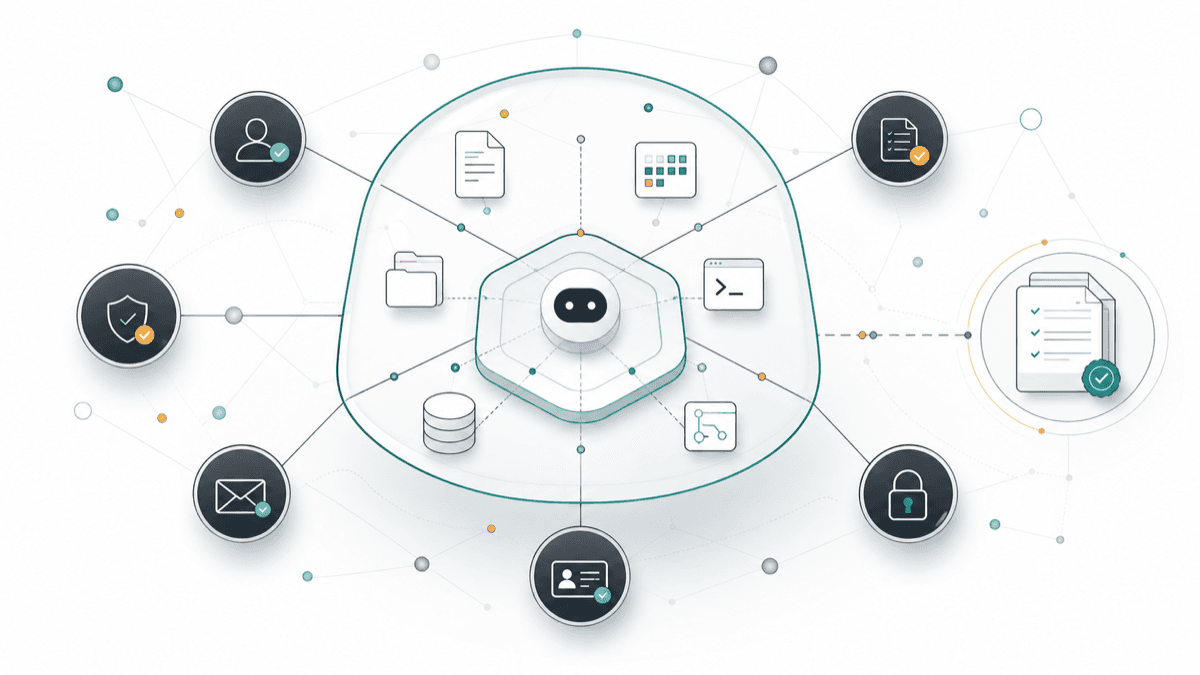
Why existing buckets are not enough
Existing standards and programs are useful. The gap is the review unit. An agentic workflow crosses model behavior, workspace permissions, connectors, shell access, identity, logging, sensitive data, and governance in one action path.
Policy, accountability, risk management, and oversight.
Prompts, tools, model behavior, testing, and abuse paths.
Accounts, devices, shells, SaaS actions, telemetry, and retention.
Data handling, obligations, evidence use, and executive review.
awoss
Workspace security profile
A scoped, evidence-backed layer around agentic workflows.
Familiar reference points
If your team already works with AI governance, AppSec, risk, audit, or legal frameworks, awoss gives that conversation a concrete target: one scoped agentic workflow, its reach, its actions, and its evidence trail.
What makes awoss different
Most AI standards look at model behavior, governance policy, application security, privacy, or broad organizational controls. awoss focuses on the messy operating layer where agents create business risk: reach, authority, tools, approvals, memory, evidence, and handoffs inside one scoped workspace system.
Review one real agentic workflow instead of starting with an abstract enterprise AI program.
Include files, apps, repositories, shells, tools, connectors, memory, and communication paths.
Separate reading and drafting from actions that send, change, export, delete, trigger, or affect production.
Leave a profile that leaders, DevOps, security, and engineering can inspect and improve.
That is the gap awoss fills: a practical security profile for AI agents already operating inside the business.
Scoped agentic workspace system
Start narrow enough to inspect. A short, honest profile for one workflow is more useful than a broad AI policy nobody can apply to the real tools and data in use.
01
What workflow, resources, identities, tools, and data are in or out?
02
What can the agent read, change, send, trigger, or run, and what must pause?
03
Which receipts, logs, validations, owners, and exceptions remain after the work?
04
What should move forward, pause, narrow, or go through a stronger review path?
awoss families
The families are intentionally practical. They help managers understand ownership and help security, DevOps, and engineering teams know which evidence to collect.
AWOSS-SCP
What is the workflow boundary and who owns it?
AWOSS-DEL
Whose account, role, or approval lets the agent act?
AWOSS-WSB
Which files, apps, shells, systems, and data are reachable?
AWOSS-RUN
Which actions are allowed, denied, paused, or approved?
AWOSS-SRC
Can you trust the skills, tools, connectors, and updates?
AWOSS-CTX
Which instructions, retrieval sources, and memories can steer work?
AWOSS-SEC
What must not be exposed, stored, exported, or copied?
AWOSS-LOG
Can reviewers reconstruct the important action path?
AWOSS-VAL
Which controls, denials, and evidence paths were tested?
AWOSS-GOV
Who accepts exceptions and when does the profile need rework?
Adoption path
Use levels to see where a workflow is today: unmapped, mapped, controlled, or evidence-backed. They help leaders decide what can move forward, what needs gating, and where technical teams should focus.
Level 0
The team cannot yet explain what the workflow can reach, do, prove, or exclude.
Level 1
Scope, owners, resources, authority, action classes, and exclusions are visible.
Level 2
Selected high-impact actions have policy gates, receipts, and named evidence.
Level 3
The workflow has tested controls, retest triggers, exception handling, and owner review.
Build the standard with us
awoss is for the teams already asking the hard questions: what can this agent touch, what can it change, who approves the risky steps, and what record is left behind? If you are integrating AI into business workflows, your edge cases are exactly what can make the standard useful.
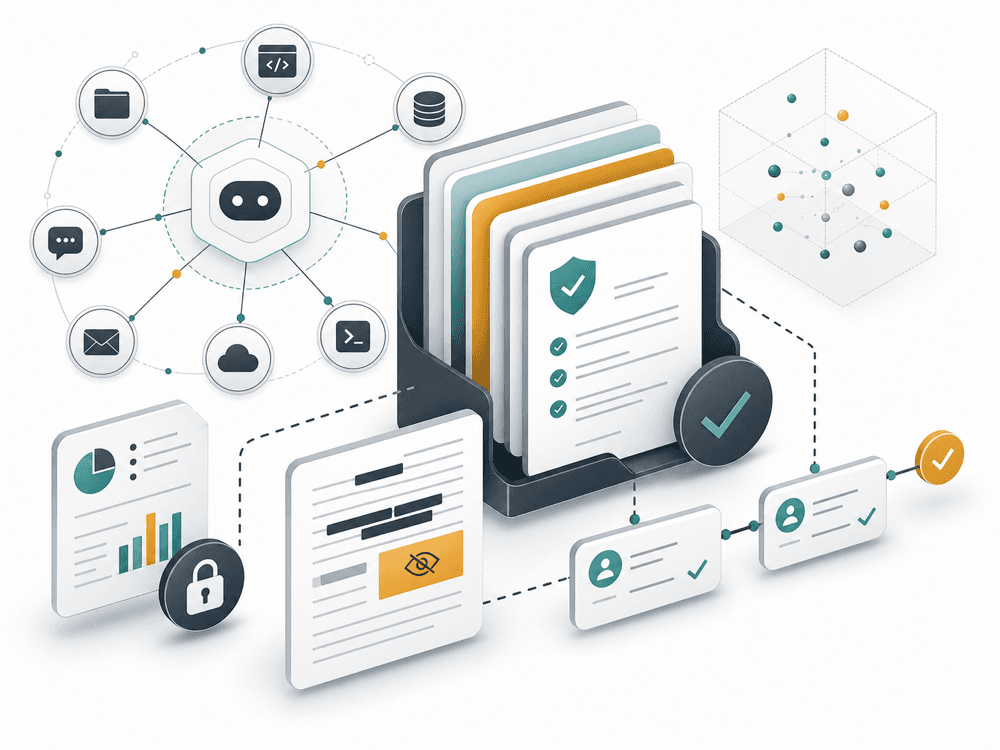
Make agent reach, authority, and side effects visible before access expands.
It complements existing buckets by defining the agentic workspace profile around them.
Start with one workflow, one evidence packet, and a decision the business can understand.